Whether your vet suggested a new diet or your puppy is growing up and ready for adult or senior dog food, changing what your dog eats isn’t as simple as swapping bowls. A slow, careful transition is key to keeping his stomach happy.
Here’s exactly how to switch your dog’s food safely — and how to tell if the new diet is working.
Why You Might Need To Change Your Dog’s Food
There are plenty of reasons a dog may need a diet change, including:
• Age changes
As dogs grow, their nutritional needs shift. Puppies need calorie-dense food, adults need balanced diets, and seniors often benefit from formulas tailored to aging bodies.
• Allergies or sensitivities
If your dog reacts to certain ingredients, your vet may recommend a different formula.
• Bringing home a new dog
You might want to switch your newly adopted pup to a food you prefer — just do it slowly.
• Weight concerns
If your dog needs to lose weight, a vet may recommend a low-calorie or therapeutic diet.
No matter the reason, always talk to your vet first to make sure the new food is appropriate.
How To Transition Your Dog to a New Food
Dogs have sensitive stomachs, and a sudden switch can lead to vomiting, diarrhea or general tummy upset. That’s why gradual transitions work best.
The standard approach is to mix the old and new foods together over time:
Days 1–3: 25% new food + 75% old food
Days 4–6: 50% new food + 50% old food
Days 7–9: 75% new food + 25% old food
Day 10+: 100% new food
Make sure the foods are thoroughly mixed so your dog can’t pick around the new kibble.
This process applies to flavor changes, brand changes and transitions from puppy to adult food.
When To Switch Puppies to Adult Food
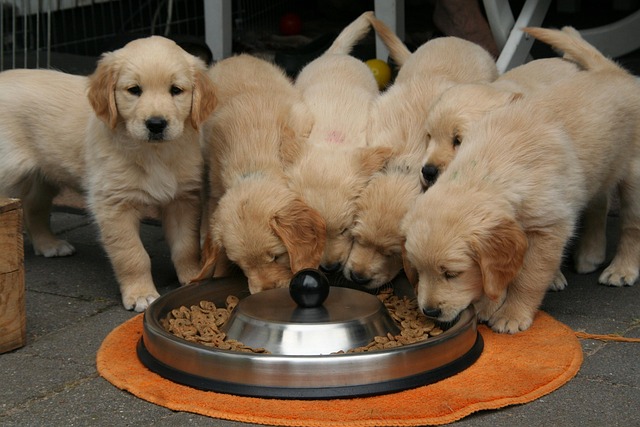
Puppies should stay on puppy food until they’ve reached their adult size — but the age varies by breed:
- Small breeds (25 lbs or less): 6–8 months
- Medium breeds (25–75 lbs): 12–16 months
- Large & giant breeds (over 80 lbs): 18–24 months
If you’re not sure, your vet can help you pinpoint the right time.
How To Know If the New Food Is Working
Your dog’s poop will tell you almost everything you need to know.
Healthy stool should be firm and brown. If your dog develops:
- Diarrhea
- Soft stool
- Vomiting
- Any sign of stomach upset
…pause the transition and call your vet. Some dogs react to specific ingredients, even with a slow switch.
If the new food clearly isn’t agreeing with him, gradually switch back to the previous diet while you discuss other options with your veterinarian.
The Bottom Line
Transitioning your dog to a new food is totally manageable — as long as it’s done slowly and with your vet’s guidance. A thoughtful switch helps prevent stomach troubles and keeps your pup feeling his best as his nutritional needs change.