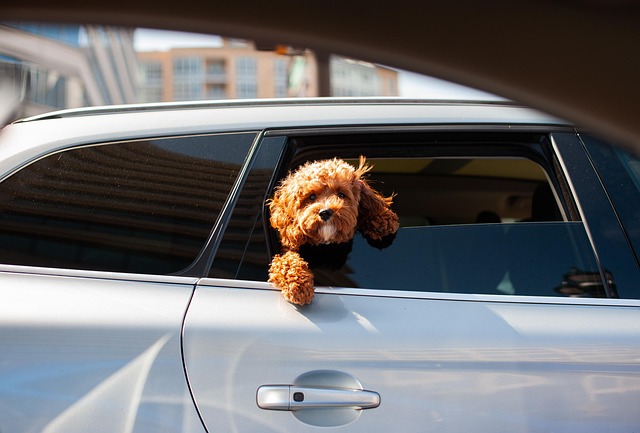

Car rides are a part of life for most dogs — whether it’s a trip to the vet, a run to the dog park, or a weekend adventure.
But if your dog starts drooling, shaking, or throwing up every time the car starts moving, chances are he’s dealing with car sickness. The good news? You’re not alone — and there are ways to help.
Here’s how to ease your dog’s car sickness so you can spend less time cleaning the car and more time enjoying the ride.
Can Dogs Get Carsick?
Yes — dogs can absolutely get carsick, and it’s incredibly common.
Car sickness can start in puppyhood. Some dogs outgrow it as their balance system matures, but for others, it sticks around into adulthood.
Most of the time, car sickness in dogs is caused by motion sickness, the same thing that makes humans feel queasy in moving vehicles.
Your dog’s inner ear (the vestibular system) helps control balance and movement. When your dog isn’t walking or moving himself, the motion of the car is unexpected — and that mismatch can trigger nausea.
It’s similar to how people feel sick when reading in the car: your body senses movement, but your eyes can’t predict it, and confusion sets in.
That said, motion isn’t always the only factor. Anxiety and stress related to car travel can also make symptoms worse — or even trigger nausea on their own.
Symptoms of Car Sickness in Dogs
Vomiting is the most obvious sign, but many dogs show symptoms before they actually get sick.
Watch for:
- Restlessness or pacing
- Excessive drooling
- Lip licking or smacking
- Shaking or trembling
- Tucked tail
- Panting
- Cowering or trying to hide
These signs often mean your dog is feeling nauseous — or anxious — and needs help.
How to Help a Dog With Car Sickness
Give Him Fresh Air
Good ventilation can make a big difference.
Keep the car cool, crack a window, and use the air conditioning when possible. Fresh air helps reduce nausea and keeps your dog more comfortable.
Keep the Car Smell-Free
Dogs have incredibly sensitive noses. Strong odors can worsen nausea.
Keep your car clean and avoid:
- Old food smells
- Strong air fresheners
- Takeout containers
A neutral-smelling car is much easier on a sensitive stomach.
Watch What (and When) He Eats
If your dog gets carsick, avoid feeding him right before a short trip.
Skipping food for a few hours before travel can help reduce vomiting.
For long drives where skipping meals isn’t an option, stick to light, bland foods.
A small portion of boiled chicken and white rice is usually gentle on the stomach.
Medication for Dog Car Sickness
Even if you plan to manage symptoms at home, it’s worth calling your veterinarian.
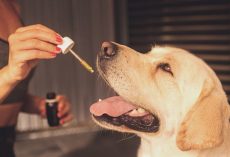
Vets can prescribe medications specifically designed to prevent nausea and vomiting during car travel.
One commonly prescribed option is maropitant, which works by blocking nausea signals in the brain. It’s long-lasting (up to 24 hours) and highly effective for many dogs.
Your vet can help determine whether medication is the right option for your pup.
How to Prevent Car Sickness in Dogs
Prevention starts with helping your dog feel calm and comfortable in the car.
Build Positive Associations
If anxiety plays a role, gradual exposure can make a huge difference.
Start small:
- Sit in the parked car with your dog, engine off
- Practice getting in and out calmly
- Take very short drives (even just down the driveway and back)
Slowly increase ride length as your dog becomes more comfortable.
Reward your dog after each trip with praise or treats so he begins to associate car rides with positive experiences.
Try these biscuit treats from Amazon
Make the Ride Smooth and Secure
If your dog’s sickness is mostly motion-related:
- Avoid winding or bumpy roads when possible
- Drive smoothly and steadily
- Keep your dog safely restrained
Using a dog seat belt, harness attachment, or car seat helps dogs feel more secure — and stability can reduce nausea.
The Bottom Line
If your dog struggles with car sickness, don’t lose hope. With the right mix of preparation, comfort, training, and veterinary support, most dogs can improve — and some even learn to enjoy the ride.
Follow these tips, be patient, and before long, you and your best friend can get back to stress-free adventures together. 🚗🐾
We independently pick all the products we recommend because we love them and think you will too. If you buy a product from a link on our site, we may earn a commission.