When winter temperatures drop into brutal territory, it’s completely normal to wonder whether it’s still safe to take your dog outside. After all, he still needs bathroom breaks and daily exercise — even when it feels like the air hurts your face.
So how cold is too cold for dogs to walk in winter?
The answer depends on your dog’s breed, coat, size, and overall health. Knowing the signs of cold stress — and when to head back inside — can help keep your pup safe, comfortable, and healthy all season long.
How Cold Is Too Cold for Dogs to Walk Outside?
Not all dogs handle cold weather the same way.
Dogs bred for cold climates — like Huskies, Akitas, and Bernese Mountain Dogs — have thick coats and can tolerate lower temperatures better than most.
But dogs with thin coats, short fur, or little body fat feel the cold much faster. This includes breeds like Greyhounds, Chihuahuas, and many small or senior dogs.
As a general rule:
- Dogs that are not cold-tolerant should wear protective gear once temperatures drop below 45°F (7°C)
- Walks should be shortened significantly as temperatures continue to fall
Always factor in wind chill, snow, and ice, which can make conditions far colder than the thermometer suggests.
Signs Your Dog Is Too Cold or Uncomfortable
Cold weather doesn’t just affect your dog’s body — it can also irritate his paws due to ice, snow, and sidewalk salt.
Watch for these warning signs during walks:
- Shivering or trembling
- Whining or excessive barking
- Licking or chewing paws
- Lifting paws off the ground
- Tucked tail
- Hunched posture
If you notice any of these, it’s time to head back inside immediately.
Signs of Hypothermia in Dogs (Medical Emergency)
In extreme cold, dogs can develop hypothermia, a dangerous condition where body temperature drops too low for vital organs to function properly.
A dog experiencing hypothermia may show:
- Extreme lethargy
- Weakness or lack of coordination
- Body cold to the touch
- Collapse or loss of consciousness
Hypothermia can be life-threatening. If your dog shows these symptoms, seek emergency veterinary care immediately.
Treatment typically includes controlled warming, IV fluids, and close monitoring of heart function.
Tips for Walking Your Dog Safely in Cold Weather
Keep walks short
Short, frequent outings are safer than long walks in freezing temperatures. Limiting exposure reduces the risk of cold-related injuries.
Use winter gear when needed
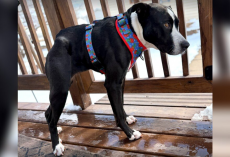
Dogs with thin coats, small bodies, or low body fat benefit greatly from winter apparel.
Consider:
- Insulated coats or parkas to retain body heat
- Booties to protect paws from ice, salt, and freezing surfaces
Proper gear can make short winter walks much safer and more comfortable.
Protect paws from salt and ice
Salt and de-icing chemicals can burn paw pads and cause cracking. Booties help — or you can rinse and dry paws immediately after walks.
The Bottom Line
Your dog still needs fresh air and bathroom breaks in winter — but cold weather safety comes first.
By paying attention to temperature, watching for warning signs, and using protective gear when needed, you can keep winter walks safe, short, and stress-free for both of you.
When in doubt, err on the side of shorter walks and warmer gear — your pup will thank you. 🐾
We independently pick all the products we recommend because we love them and think you will too. If you buy a product from a link on our site, we may earn a commission. Links are updated when possible, but note that deals can expire and all prices are subject to change.