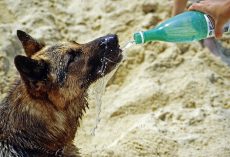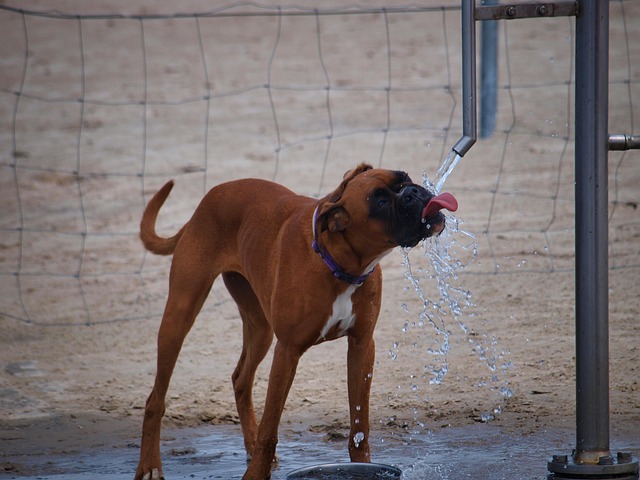

Just like people, dogs need fresh water every day to stay healthy.
Water helps lubricate your dog’s joints, protects vital organs, aids digestion, and regulates body temperature. In fact, nearly every system in your dog’s body depends on proper hydration — which is why dehydration in dogs can become serious very quickly.
If your dog suddenly isn’t drinking much water, or seems to be losing more fluids than he’s taking in, it’s important to pay attention.
Here’s what dog parents should know about the causes of dehydration, the warning signs to watch for, and how dehydration is treated.
What Causes Dehydration in Dogs?
Dehydration happens when a dog loses more fluids than he replaces.
The most common causes include:
- Not drinking enough water
- Vomiting or diarrhea, especially sudden or severe episodes
- Heatstroke or overheating
- Fever or infection
Some dogs are more vulnerable to dehydration than others, including:
- Puppies
- Senior dogs
- Nursing mothers
- Toy and small-breed dogs
In more serious cases, dehydration may be linked to underlying medical conditions such as:
- Kidney disease
- Diabetes
- Liver disease
- Cancer
If your dog refuses water entirely or shows ongoing symptoms, it’s important to contact your veterinarian.
Warning Signs of Dehydration in Dogs
Dehydration isn’t always obvious at first. Keep an eye out for these common signs:
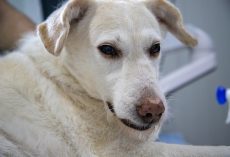
Dry nose
A dry nose can be a sign of dehydration, though it may also be linked to fever or illness. If you notice a dry nose, offer fresh water and monitor for other symptoms.
Excessive drooling
Unlike humans, dogs can’t sweat, and the only way they have to cool themselves down is by panting and drooling. When dehydrated, they may drool more than usual in an attempt to regulate body temperature. Excessive drooling warrants a call to your vet.
Lethargy
Dehydrated dogs often seem tired, weak, or uninterested in activity. Mild dehydration may improve with increased water intake, but ongoing lethargy should be evaluated.
Sticky or tacky gums
Healthy gums should feel slick and moist. Sticky gums can signal moderate dehydration and often mean veterinary care is needed.
How Dehydration in Dogs Is Treated
A general guideline is that dogs need about one ounce of water per pound of body weight per day, though activity level, weather, and health conditions can affect this amount.
To help prevent dehydration:
- Keep fresh, clean water available at all times
- Wash your dog’s water bowl daily to prevent bacterial buildup
- Add water to dry kibble or incorporate wet food if your vet approves
- Encourage drinking during hot weather or after exercise
Mild dehydration
For mild cases, offer small amounts of water every few minutes or let your dog lick ice cubes. Low-sodium chicken broth can also help entice reluctant drinkers.
Severe dehydration
If your dog shows signs such as:
- Loose or tented skin
- Rapid breathing
- Weakness or loss of balance
Seek veterinary care immediately. At the clinic, your vet will calculate how much fluid your dog needs and typically administer fluids through an IV for safe, efficient rehydration.
The Bottom Line
Most cases of dehydration can be prevented with proper access to fresh water and close monitoring — but dehydration can escalate quickly if left untreated.
If you notice any warning signs or are unsure whether your dog is drinking enough, it’s always safest to consult your veterinarian. Early intervention can make all the difference in keeping your pup healthy and hydrated. 💧🐾
We independently pick all the products we recommend because we love them and think you will too. If you buy a product from a link on our site, we may earn a commission.