In 2018, Cal Poly Humboldt biology professor Silvia Pavan was deep in the Peruvian Andes on a research expedition, scanning the rugged terrain for a little-known squirrel species. What she found instead stopped her in her tracks.
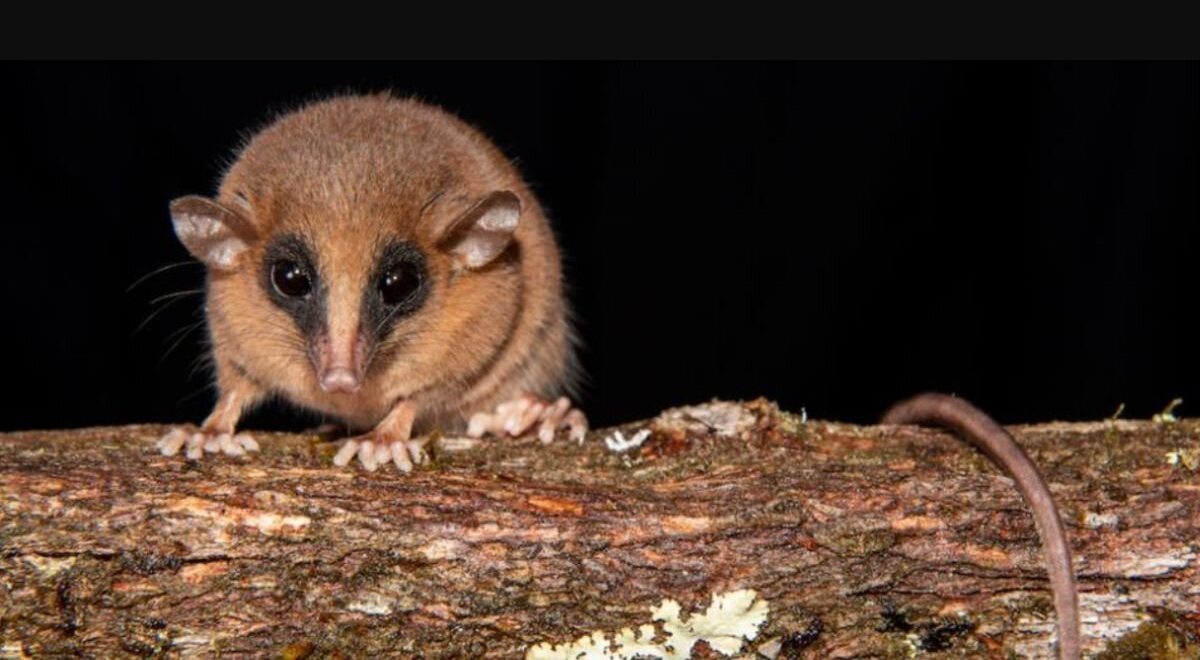
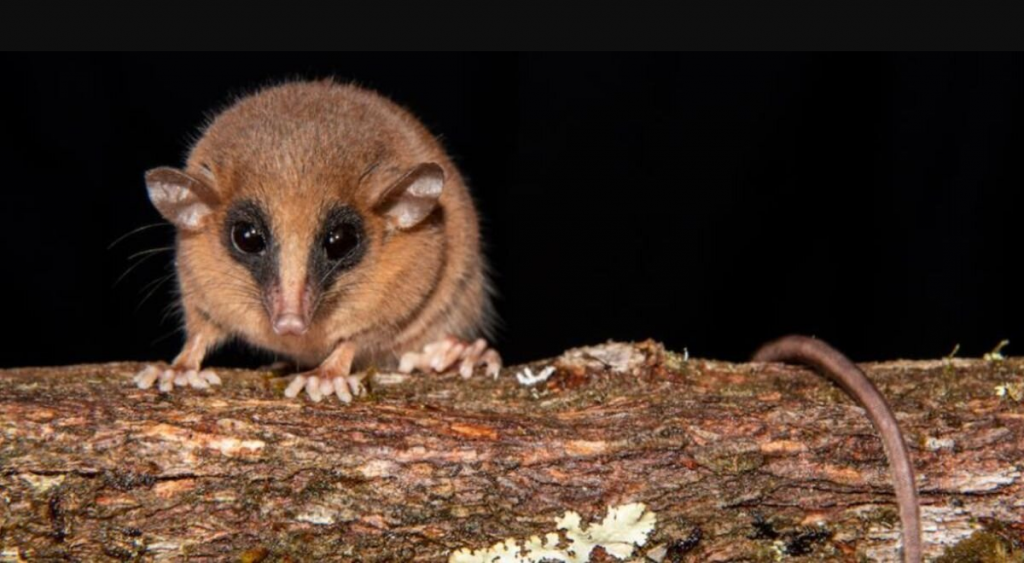
Perched high in the mountains was a small mammal she didn’t recognize — one with soft reddish fur, round ears and striking black rings around his eyes that looked almost like a mask. The sight immediately raised questions. Mouse opossums, like the one she was looking at, aren’t known to live at such extreme elevations.
“I realized immediately that this was something unusual,” Pavan said in a press release.
Back home, Pavan and her team began the painstaking work of confirming what she had seen. For years, researchers compared the animal to specimens in museum collections around the world, poring over physical traits and conducting extensive lab testing, including DNA analysis.
“Scientists had to be absolutely certain it hadn’t already been documented,” Cal Poly Humboldt explained, noting that comparisons stretched across countries — and even continents.
At last, the verdict came in: the mysterious mountain mammal was, indeed, a species entirely new to science.
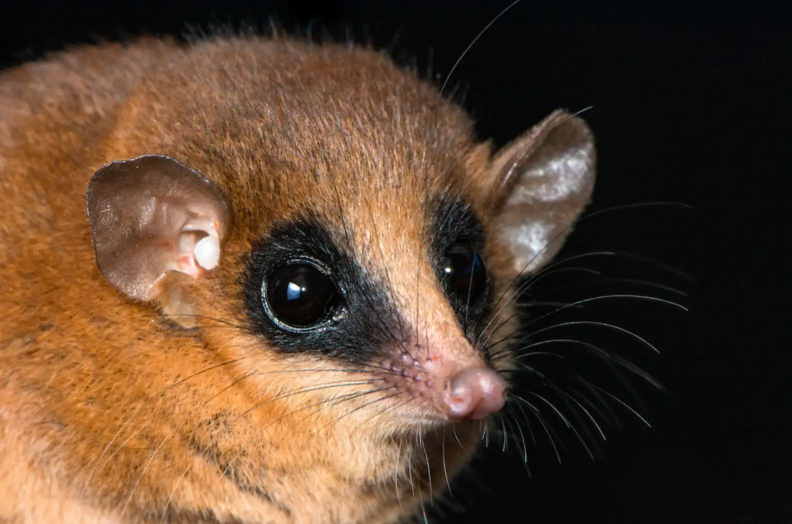
The team officially named it Marmosa chachapoya, honoring the Chachapoyas, an Indigenous culture that lived in the Andes before the 18th century.
The expedition yielded more surprises as well. During the same journey, Pavan encountered other unusual animals, including a semi-aquatic rodent that scientists are still working to identify.
Pavan hopes discoveries like these will spark greater scientific interest in the region and reinforce the importance of protecting its wild spaces.
“There’s still so much left to learn,” she said — and with continued research, both knowledge and wildlife in the Andes can continue to flourish.