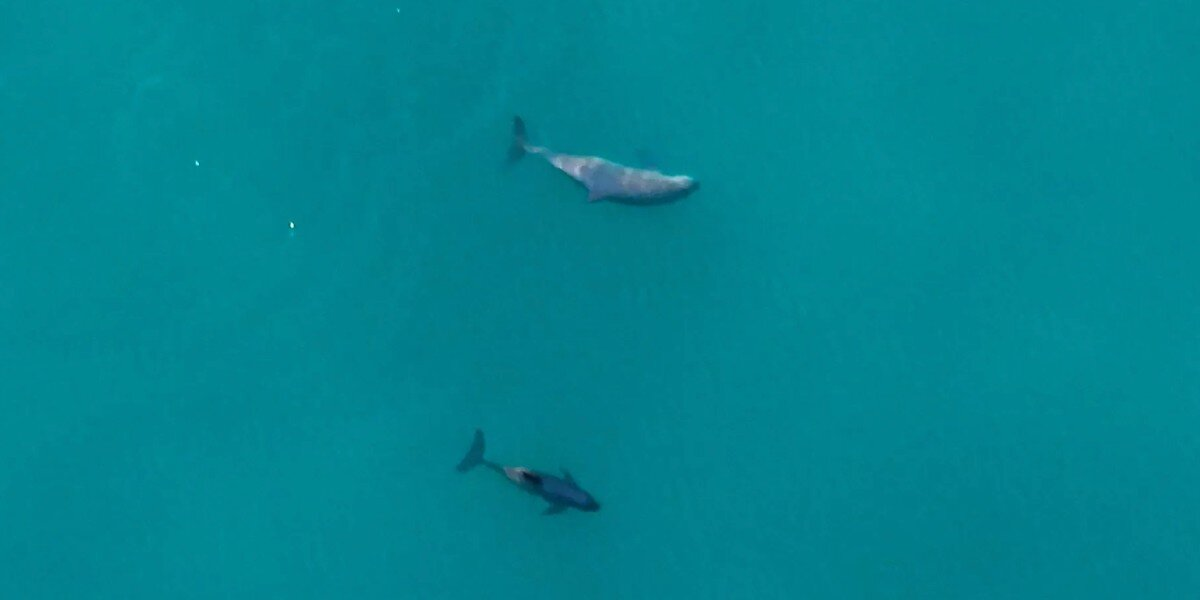

Most people know whales and dolphins — but almost no one has ever seen a vaquita.
That’s because these tiny porpoises, found only in the warm waters of Mexico’s Gulf of California, are the rarest marine mammals on Earth — and for years, scientists feared they were disappearing forever.
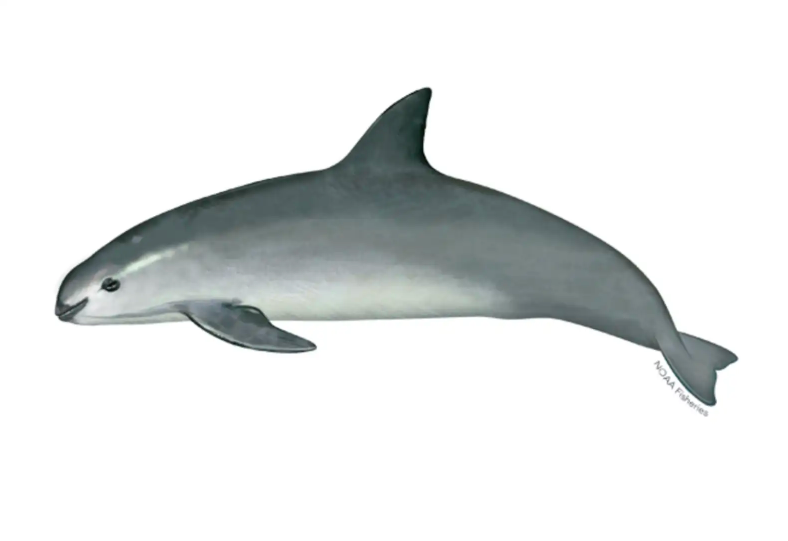
Vaquitas are small, measuring less than 5 feet long, with chunky gray bodies, white bellies and dark rings around their eyes that make them look like they’re permanently smiling.
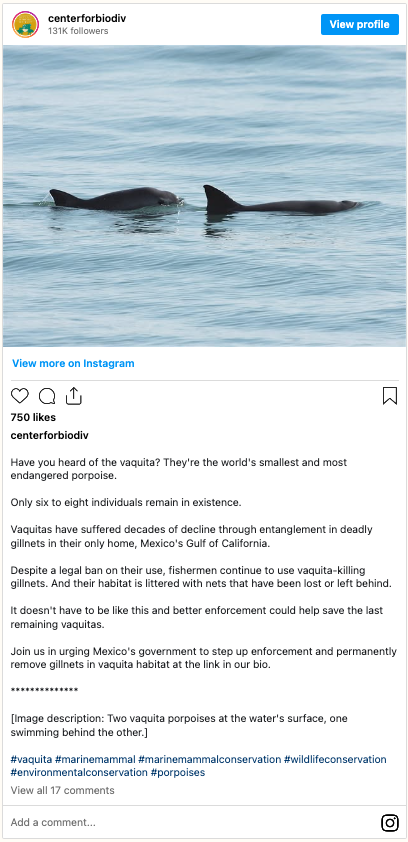
They’re shy, elusive and incredibly hard to spot — which makes every single sighting feel momentous.
And for a long time, sightings were becoming heartbreakingly rare.
Between 1997 and 2018, the vaquita population collapsed from an estimated 560 animals to just 10. The cause was devastatingly simple: gill nets. These fishing nets, meant to catch fish, accidentally trap vaquitas underwater, preventing them from surfacing to breathe.
Shy vaquitas aren’t often photographed up close, but the drawing below illustrates their adorable, unique appearance:
With numbers that low, many feared the species was beyond saving.
But then something extraordinary happened.
Conservation groups and government agencies stepped in, enforcing fishing restrictions, removing gill nets and closely monitoring the remaining vaquitas. Each year, scientists surveyed the waters, hoping for any sign of recovery — or at least survival.
In 2024, their hopes dimmed when no new calves were observed.
This year, everything changed.
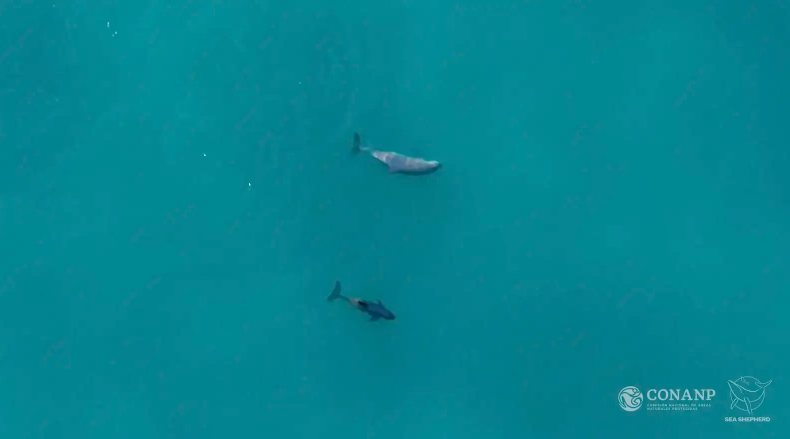
During a recent survey, scientists spotted a familiar vaquita named Frida — instantly recognizable by her bent dorsal fin — swimming with a baby by her side.
“She’s named after Frida Kahlo,” vaquita expert Barbara Taylor said in a video for Sea Shepherd Conservation Society, “because even though she’s wounded, she’s incredibly important to Mexico.”
Frida’s calf appears to be around a year old — healthy, strong and thriving. Even more encouraging, Frida herself is one of the largest vaquitas ever recorded, a sign that she’s not just surviving, but flourishing.
“You can see that they’re very healthy-looking animals,” Taylor said.
Then came another jaw-dropping observation.
Researchers believe Frida may be pregnant again.
If that’s true, the Gulf of California could soon welcome yet another vaquita baby — something that once felt impossible.
“It’s a miracle, these survivors that are here,” Taylor said.
For a species once thought to be on the edge of extinction, Frida and her calf represent more than just a rare sighting. They are living proof that conservation efforts matter — and that even when hope feels lost, nature can still surprise us.