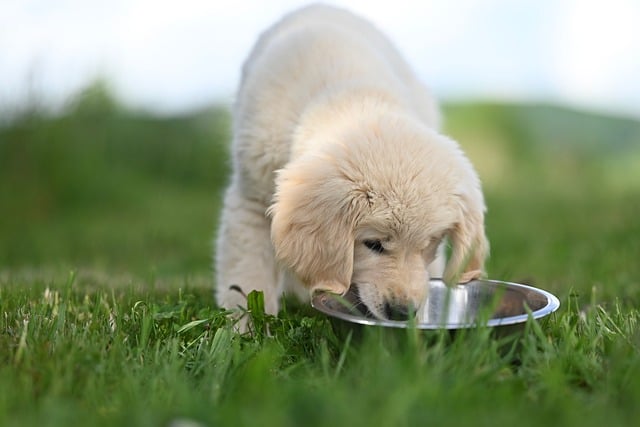

Bringing home a new puppy comes with a lot of decisions — and food is one of the biggest ones. Between dry kibble, canned food, and mixed feeding, it’s easy to feel overwhelmed.
So what’s the difference between wet and dry puppy food? And is wet food actually a good choice for a growing pup?
Below, we break down the pros and cons of wet puppy food, what vets recommend looking for, and some of the best vet-approved wet puppy foods you can buy.
Wet vs. Dry Puppy Food: What’s the Difference?
The biggest differences between wet and dry dog food come down to processing and moisture content.
- Wet food contains about 75–78% moisture
- Dry kibble contains roughly 10–12% moisture
Wet food is made by grinding protein sources like meat, then combining them with water, vitamins, minerals, and carbohydrates to create a soft, moist texture. Dry food uses many of the same ingredients, but they’re mixed into a dough, cooked, and shaped into kibble.
Should Puppies Eat Wet or Dry Food?
There’s no single “right” answer — it largely depends on your puppy and your preferences.
Benefits of Wet Puppy Food
- Strong aroma and flavor can entice picky eaters
- Higher moisture content helps with hydration
- Softer texture is easier on sensitive gums and baby teeth during teething phase
- Helpful for newly weaned puppies transitioning off milk
Potential Downsides
- Some puppies become pickier if they’re offered too many options
- Portion control can be harder compared to kibble
- Can be more expensive over time
Veterinarians often favor dry food for adult dogs because it’s easier to measure, but for growing puppies, feeding wet food, dry food, or a mix of both is generally fine unless there’s a medical reason to avoid one.
How Much Wet Food Should a Puppy Eat?
Feeding amounts vary by brand because calorie and nutrient levels differ between formulas. Always check the feeding guidelines on the label or the manufacturer’s website.
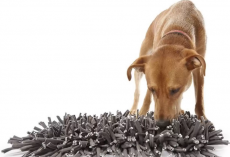
If your puppy eats too quickly, tools like slow feeders or automatic feeders can help regulate intake and prevent overeating.
Try this automatic feeder from PETLIBRO
What to Look for in Wet Puppy Food
When choosing wet food for your puppy, nutrition matters more than marketing.
AAFCO Approval Is Essential
Look for a label that says the food is:
“Complete and balanced for growth”
This means it meets nutritional standards set by the Association of American Feed Control Officials (AAFCO).
Because wet food contains more moisture, nutrient percentages look lower than dry food — but as long as it’s labeled complete and balanced, it’s safe to feed.
High-Quality Ingredients
- Real animal protein should appear early in the ingredient list (after water)
- Avoid unnecessary fillers
- Choose foods with grains unless your vet recommends otherwise
- Non-prescription grain-free diets may be linked to heart disease when fed long-term
Vet-Recommended Wet Puppy Foods
These brands consistently meet AAFCO standards and are commonly recommended by veterinarians:

Royal Canin Wet Puppy Food
Supports immune health with vitamins C and E, plus beet pulp and fish oil for digestion and gut health.

Purina Pro Plan Puppy Chicken & Rice Entrée
Made with real chicken as the first protein ingredient and enriched with DHA for brain and eye development, plus omega-6 fatty acids for a healthy coat.

Hill’s Science Diet Puppy Chicken & Barley Entrée
Features high-quality chicken, whole grains, and DHA from fish oil to support brain development, alongside immune-boosting vitamins.

Eukanuba Puppy Lamb & Rice Wet Food
Packed with high-quality animal protein to support muscle growth and overall development, while remaining nutritionally complete and balanced.
The Bottom Line
Wet puppy food can be a nutritious, palatable option — especially for young puppies, picky eaters, or those transitioning from milk. As long as the food is AAFCO-approved, nutritionally complete, and portioned correctly, it can play a healthy role in your puppy’s diet.
If you’re ever unsure which food is best, your veterinarian can help you choose the right option for your puppy’s size, breed, and growth stage.
Need some treats to go with that puppy food? Find out what to look for in the best training treats for puppies.
We independently pick all the products we recommend because we love them and think you will too. If you buy a product from a link on our site, we may earn a commission.