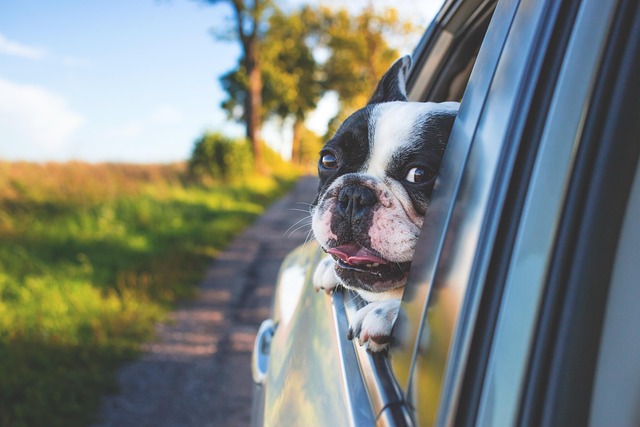

Does your dog start shaking, panting, or panicking the moment he realizes it’s time to get in the car?
If so, you’re not alone. Car anxiety is surprisingly common in dogs — and it can turn even a short drive into a stressful experience for both of you.
The good news? With the right combination of training, management, and veterinary support, most dogs can learn to tolerate — and sometimes even enjoy — car rides.
Here’s everything you need to know about dog car anxiety, including symptoms, causes, treatment options, and tips to keep your pup calm on the road.
What Is Car Anxiety in Dogs?
Car anxiety occurs when a dog experiences fear or distress while riding in a moving vehicle. While many dogs associate car rides with fun destinations like the park or daycare, others — especially puppies or dogs with limited travel experience — find the experience overwhelming.
For anxious dogs, the motion, noise, confinement, or past negative experiences can trigger panic before the car even starts moving.
Symptoms of Car Anxiety in Dogs
Dogs with car anxiety may show a combination of behavioral and physical signs, including:
- Refusing to get into the car
- Trying to escape once inside
- Excessive panting or drooling
- Lip licking or yawning
- Trembling or shaking
- Restlessness or pacing
- Whining, barking, or whimpering
- Licking paws
- Vomiting or nausea
- Accidents (urination or diarrhea)
These symptoms can range from mild discomfort to severe panic.
Car Anxiety vs. Motion Sickness
Car anxiety and motion sickness often look very similar — and they frequently occur together.
- Car anxiety is primarily behavioral and emotional, rooted in fear or anticipation.
- Motion sickness is physical, caused by the body’s response to movement.
Vomiting can occur with either condition. In many cases, motion sickness triggers anxiety: a dog feels nauseous in the car, begins to fear car rides, and then becomes anxious before the trip even starts.
Your veterinarian can help determine whether your dog is dealing with anxiety, motion sickness, or both. Sometimes the diagnosis becomes clearer based on how your dog responds to treatment — for example, if anti-nausea medication resolves the issue, motion sickness may be the primary cause.
What Causes Car Anxiety in Dogs?
Several factors can contribute to car anxiety, including:
- Motion sickness
- Fear of confinement
- Sensitivity to engine or traffic noise
- Feeling unstable while the car is moving
- General anxiety or nervous temperament
- Negative associations (such as only riding in the car to go to the vet)
Once anxiety begins, it can become a cycle: nausea increases anxiety, anxiety worsens nausea, and the fear builds with every trip.
Treatment Options for Dog Car Anxiety
If your dog shows signs of car anxiety, schedule a visit with your veterinarian. Treatment often includes a combination of medication and behavior modification.
Medications for Car Anxiety
Your vet may recommend:
- Anti-nausea medications to control motion sickness
- Anti-anxiety medications if fear persists
- Sedatives for severe cases or occasional long trips
- Long-term anxiety medications for dogs with generalized anxiety
These medications are prescription-only and should always be used under veterinary guidance.
Training Your Dog to Feel Calm in the Car
Behavioral training is one of the most effective ways to reduce car anxiety. The two main techniques are desensitization and counterconditioning.
Desensitization
This involves gradually exposing your dog to the car at a level that doesn’t trigger fear.
Start by:
- Sitting in the parked car with the engine off
- Progressing to turning the engine on
- Taking very short, smooth drives
Only move to the next step once your dog is calm at the current level.
Counterconditioning
This means teaching your dog to associate the car with positive experiences.
- Bring high-value treats, toys, or a favorite blanket
- Choose destinations your dog loves (like the park)
- Keep early trips short and pleasant
Patience is key. Puppies may adjust quickly, but older dogs can also learn with consistent, gentle training.
How to Keep Your Dog Calm During Car Rides
Alongside training and veterinary treatment, these tips can make travel easier:
Avoid Traveling After Meals
Driving on a full stomach increases the risk of nausea. Wait several hours after feeding before heading out.
Secure Your Dog Properly
Using a car seat, secured crate, or crash-tested harness helps dogs feel more stable and reduces anxiety caused by shifting or sliding.
Try this K&H Pet Products booster car seat from Amazon
Try the Petprsco foldable dog crate from Amazon
Try the KURGO Tru-Fit car safety harness and strap from Amazon
Try Calming Supplements
Some dogs benefit from supplements containing:
- L-theanine
- L-tryptophan
- Milk protein hydrolysates
Try Anixtane chewable tablets from Amazon
Try Vetoquinol Zylkene from Amazon
These can take a few weeks to reach full effectiveness.
Use Pheromone Products
Dog-appeasing pheromone sprays or collars can help reduce stress by mimicking calming maternal signals.
Try the Adaptil Calming Spray for Dogs from Amazon
Or try the Die-matic Calming Collar for Dogs from Amazon
Consider a Compression Jacket
Anxiety wraps apply gentle pressure that can help some dogs feel safer and calmer.
Try the ThunderShirt Classic Dog Anxiety Jacket from Amazon
Play Calming Music
Soft music or dog-specific calming tracks can mask outside noise and help your dog relax during the drive.
Try the iCalmDog Through a Dog’s Ear CD set from Amazon
The Bottom Line
Car rides should be a fun part of your dog’s life — not a source of fear. While car anxiety can be frustrating, it’s highly manageable with the right combination of veterinary care, training, and small adjustments to your routine.
With time, patience, and support, your dog can learn that the car isn’t something to fear — and you can finally enjoy stress-free adventures together. 🚗🐾
We independently pick all the products we recommend because we love them and think you will too. If you buy a product from a link on our site, we may earn a commission.