
It’s frightening when your dog suddenly becomes sick while playing or spending time outdoors.
If that happens on a warm day, heat exhaustion could be the cause — and it’s a true medical emergency. Dogs can overheat much faster than many pet parents realize, and without quick action, the condition can become life-threatening.
Here’s everything you need to know about heat exhaustion in dogs, including what causes it, how to recognize the signs, what to do, and how to prevent it in the first place.
What Is Heat Exhaustion in Dogs?
Heat exhaustion occurs when a dog’s body temperature rises above a safe range due to external heat or overexertion.
A healthy dog’s normal body temperature ranges from 100.5°F to 102.5°F. Mild increases can happen with excitement or stress, but temperatures above 104°F are dangerous and signal a serious problem.
When a dog develops heat exhaustion, their body can no longer cool itself effectively, leading to rapid internal damage if not treated promptly.
What Causes Heat Exhaustion in Dogs?
Heat exhaustion is usually triggered by excessive heat, physical exertion, or a combination of both. Common causes include:
- Being left in a hot car (even briefly)
- Walking or exercising in high temperatures
- Spending time outdoors without shade
- Overexertion during play or exercise
- Poor ventilation or airflow
Dogs don’t sweat the way humans do. They rely mostly on panting to regulate their body temperature, which is far less efficient — especially in hot or humid conditions.
Certain dogs are at higher risk, including:
- Brachycephalic (short-nosed) breeds, such as pugs and French bulldogs, who have difficulty panting effectively
- Dogs with thick or long coats, which trap heat
- Senior dogs, puppies, and overweight dogs
It’s important to note that heat exhaustion differs from a fever. A fever is caused by an internal issue, like infection, while heat exhaustion results from external heat exposure.
Signs of Heat Exhaustion in Dogs
Heat exhaustion can progress quickly. Watch closely for these warning signs:
- Excessive or frantic panting
- Drooling
- Lethargy or weakness
- Hot skin or ears
- Bright red or pale gums
- Vomiting or diarrhea
- Disorientation or unresponsiveness
- Collapse, seizures, or fainting
If you notice any of these symptoms, seek veterinary care immediately. Untreated heat exhaustion can lead to organ failure — and can be fatal.
Heat Exhaustion vs. Heat Stroke
Heat exhaustion and heat stroke are closely related. Heat exhaustion is considered the earlier, milder stage, while heat stroke is more severe.
Dogs with heat exhaustion may show:
- Weakness
- Tremors
- Vomiting
Dogs with heat stroke often experience:
- Severe neurological symptoms
- Unresponsiveness or coma
- Organ damage
Both conditions are emergencies, but heat stroke carries a significantly higher risk of death.
What to Do If Your Dog Has Heat Exhaustion
The most important step is to get your dog to a veterinarian immediately. Heat exhaustion is not something to manage at home.
Veterinary treatment may include:
- IV fluids to restore hydration and lower body temperature
- Oxygen support to ease breathing
- Monitoring for organ damage and complications
While preparing to head to the vet, you can help cool your dog safely:
- Move them to a shaded or air-conditioned area
- Apply cool (not cold) water using a wet towel or sponge, focusing on the belly and paws
- Offer small amounts of water if they’re alert and willing to drink
Do not place your dog in ice water. Extreme cold can constrict blood vessels and actually prevent the body from cooling properly.
Once your dog’s temperature drops below 103°F (it’s a good idea to keep a thermometer handy), stop active cooling to avoid lowering it too much.
How to Prevent Heat Exhaustion in Dogs
Prevention is the best protection. Simple precautions can make a huge difference:
- Exercise your dog during cooler parts of the day, like early morning or evening
- Always provide access to fresh water
- Ensure shaded areas when your dog is outside
- Avoid intense activity during hot or humid weather
- Never leave your dog in a parked car — even for a minute
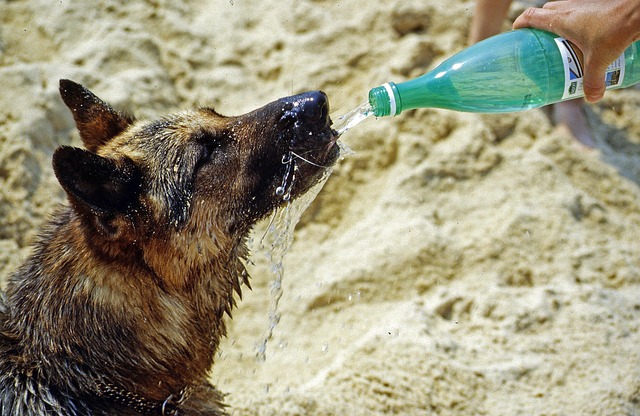
Portable water bottles, multiple water bowls around the house, and frequent rest breaks can all help your dog stay cool and safe.
Try this water bottle from Amazon
The Bottom Line
Heat exhaustion in dogs can happen quickly and escalate fast — but it’s also highly preventable.
By recognizing the warning signs early, avoiding high-risk situations, and acting immediately when something feels off, you can keep your dog safe while still enjoying warm-weather fun together.
We independently pick all the products we recommend because we love them and think you will too. If you buy a product from a link on our site, we may earn a commission.