
Maybe you missed a dose of your dog’s monthly flea prevention. Or maybe she came home from a long walk scratching more than usual.
Either way, finding out your dog might have fleas can be stressful — but take a breath. Fleas are annoying, not uncommon, and very treatable when caught early.
The key is knowing what to look for and acting quickly. Here’s how to tell if your dog has fleas, plus what to do if she does.
What Do Fleas Look Like?
Fleas are tiny — really tiny.
Adult fleas are only about 2.5 millimeters long, making them hard to spot unless you’re actively searching.

They’re usually dark brown to black, with shiny, flattened bodies and strong hind legs that allow them to jump quickly through fur.
Their bodies are covered in small bristles, which help them cling to your dog’s coat and make them difficult to remove through grooming alone — especially on darker-colored dogs.
Common Signs of Fleas on Dogs
Because fleas are so small, most pet parents notice the effects of fleas long before they ever see one.
Flea bites are extremely itchy, and many dogs are allergic to flea saliva, which can trigger intense scratching and skin inflammation.
Signs your dog may have fleas include:
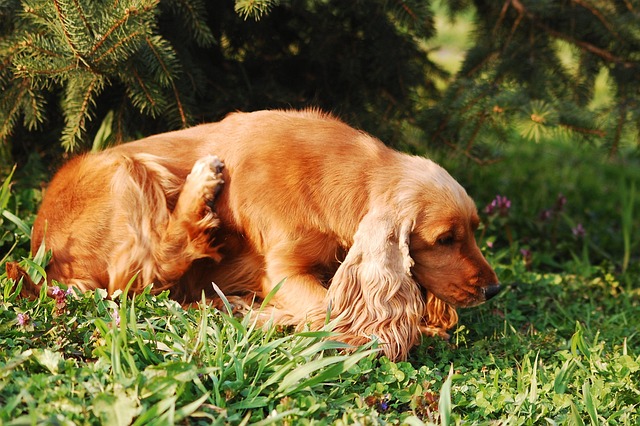
- Constant scratching, biting, licking, or chewing at the skin
- Red, irritated, or inflamed skin
- Restlessness or difficulty getting comfortable
- Crusting or scabbing, especially near the base of the tail, hips, and thighs
- Patchy hair loss
- Thickened or darkened skin in long-standing cases
One surprising sign to watch for is tapeworm segments in your dog’s stool. Dogs can ingest fleas while grooming, which can lead to tapeworm infections. These appear as small white grains that resemble rice.
How to Check Your Dog for Fleas
If your dog is itchy — or even if she’s not — regular flea checks are a smart habit.
Focus on areas fleas love most:
- The base of the tail
- Around the neck
- Inside the hind legs
- Along the belly
You may also notice flea dirt, which looks like tiny black specks similar to pepper or dandruff. Flea dirt is actually digested blood left behind by fleas.
To confirm whether it’s flea dirt:
- Brush the specks onto a white paper towel or cloth
- Add a drop of water
- If it turns reddish-brown, you’ve got fleas
Using a fine-toothed flea comb can also help you spot fleas or flea dirt more easily.
You can try Hartz Groomer's Best Flea Comb for Dogs and Cats from Amazon
How to Get Rid of Fleas on Your Dog
If you confirm your dog has fleas, your veterinarian can recommend prescription treatments that kill adult fleas, prevent reinfestation, and soothe irritated skin. In more severe cases, your dog may also need anti-inflammatory medication or antibiotics if a skin infection has developed.
There are also fast-acting over-the-counter options that can help eliminate fleas quickly (though these do not prevent future infestations on their own).
Common options include:
- Flea shampoos that kill fleas on contact
- Oral flea treatments that begin working within hours
Always read labels carefully and consult your vet before combining treatments.
How to Treat Your Home for Fleas
Flea control doesn’t stop with your dog — your environment matters just as much.
Fleas can live in carpets, furniture, bedding, and cracks in the floor. Breaking their life cycle may take several weeks, so persistence is key.
Treating Fleas Indoors
- Treat all rooms twice, about one month apart, using a home flea spray combined with an insect growth regulator (IGR)
- Vacuum frequently, especially in your dog’s favorite sleeping areas
- Remove couch cushions and vacuum deep crevices
- Empty the vacuum immediately after use
- Wash pet bedding, blankets, and soft toys in hot water
In severe cases, flea foggers may help — but only one per room, and all pets must be removed until the area is completely dry.
How to Treat Fleas in Your Yard
If your dog spends time outdoors, treating your yard is also important.
Focus on:
- Shaded areas
- Kennels or dog houses
- Favorite resting spots
Fleas and larvae don’t survive well in direct sunlight, so sunny areas are less of a concern. Many indoor flea sprays are safe for outdoor use — just follow label directions carefully.
How to Prevent Fleas in Dogs
Prevention is far easier than elimination.
The most effective way to prevent fleas is by keeping every pet in your household on a consistent flea preventative.
Preventatives come in several forms:
Your veterinarian can help you choose the right product for your dog’s lifestyle and health needs. What matters most is consistency — missing even one dose can give fleas the opening they need to return.
Try a topical product like Revolution from Amazon
Or an oral product like Bravecto Soft Chews for Dogs from Amazon
The Bottom Line
Fleas are frustrating, but they’re not the end of the world.
With quick treatment, thorough cleaning, and reliable prevention, you can eliminate fleas and keep them from coming back — so your dog can get back to being comfortable, itch-free, and ready for cuddles 🐾
We independently pick all the products we recommend because we love them and think you will too. If you buy a product from a link on our site, we may earn a commission.