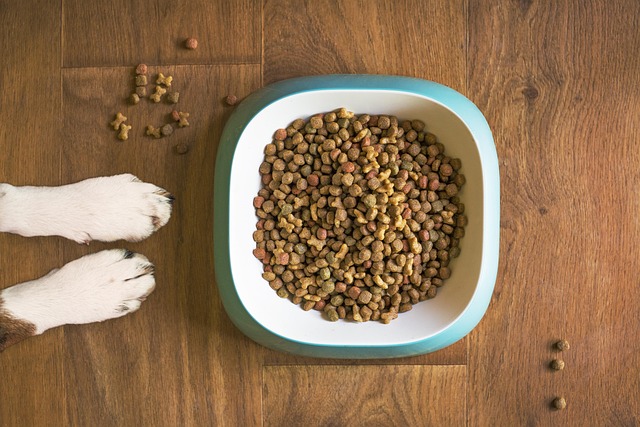

Grain-free dog food is often marketed as the healthier, more “natural” choice — but for most dogs, that couldn’t be further from the truth.
While grain-free diets do have a place in veterinary medicine, they’re typically meant for dogs with diagnosed grain allergies or intolerances, which are actually quite rare. For the average pup, grain-free food isn’t just unnecessary — it may even be risky.
In recent years, grain-free diets have been linked to serious heart problems in dogs, raising concerns among veterinarians and researchers alike.
Here’s what you need to know before choosing a grain-free diet for your dog.
Grain-Free vs. Grain-Inclusive Dog Food
Grain-free diets became popular by appealing to health-conscious pet parents who worried that grains were “fillers” or hard for dogs to digest.
In reality, most veterinarians recommend grain-inclusive diets for dogs without food allergies because they’re nutritionally balanced and well supported by research.
Dogs digest grains very well. In fact, bland foods like rice or pasta are often recommended when dogs have upset stomachs — clear proof that grains aren’t inherently harmful.
True grain allergies in dogs are uncommon and must be diagnosed by a veterinarian, often after ruling out more common causes of digestive or skin issues.
If your dog does have a confirmed grain intolerance, your vet can help you select an appropriate commercial diet or refer you to a veterinary nutritionist.
Why Grains Are Actually Good for Dogs
Grains provide several important nutrients that support your dog’s health, including:
- Easily digestible carbohydrates for energy
- Fiber for gut health
- Omega-3 fatty acids
- Magnesium and potassium
- Plant-based protein
When included in the right amounts, grains help create a well-rounded, complete diet.
Why Did Grain-Free Dog Food Become So Popular?
One major reason grain-free diets took off is the myth that dogs should eat like wolves — and therefore shouldn’t consume grains.
But evolution tells a different story.
One of the biggest genetic differences between dogs and wolves is that dogs evolved the ability to digest starch, which is found in grains. They’ve adapted to eating a more varied diet alongside humans.
Another reason grain-free food gained traction is anecdotal success stories from pet parents. Many reported improvements in their dogs’ digestion or skin after switching to grain-free food.
However, the improvement often wasn’t due to removing grains — it was due to changing the protein source.
Chicken is one of the most common proteins in traditional dog food, and chicken sensitivities are surprisingly common in dogs. Grain-free foods often use alternative proteins like lamb, duck, salmon, or rabbit, which can relieve symptoms simply because the allergen changed.
In many cases, grains got the credit when the real issue was protein sensitivity.
Why Grain-Free Diets May Be Harmful
Despite their “healthy” image, grain-free diets raised red flags after the FDA announced in 2018 that it was investigating a possible link between grain-free dog food and heart disease.
Specifically, researchers noticed higher rates of heart problems in dogs eating grain-free diets.
Scientists haven’t yet identified the exact cause, but many grain-free foods contain large amounts of ingredients like peas, lentils, and potatoes — which are used to replace grains. Researchers are studying whether these ingredients, or the lack of grains themselves, play a role.
Dilated Cardiomyopathy (DCM) in Dogs
One of the most concerning findings involves dilated cardiomyopathy (DCM) — a serious heart condition.
DCM occurs when the heart muscle becomes weak and enlarged, preventing it from pumping blood effectively. This can lead to symptoms like coughing, collapse, difficulty breathing, and even heart failure.
Certain breeds, such as Dobermans and Boxers, are genetically predisposed to DCM. However, veterinarians began diagnosing the condition in breeds that historically weren’t at risk — and many of those dogs were eating grain-free diets.
Even more compelling: some dogs showed improvement after switching off grain-free food, which is uncommon in heart disease cases.
What About Conflicting Research?
A later investigation by 100Reporters raised questions about potential bias in some of the FDA case reports, noting that a few veterinarians involved had ties to large pet food companies.
That said, the FDA’s findings affected grain-free food sales industry-wide — including companies that also sell grain-free products — suggesting the investigation wasn’t driven by profit alone.
While research is ongoing, most veterinarians agree that there’s no proven benefit to feeding grain-free diets to dogs without diagnosed grain sensitivities.
What’s the Best Dog Food with Grains?
The safest way to choose the best dog food for your pup is to consult your veterinarian. They understand your dog’s medical history, lifestyle, and nutritional needs and can recommend the right balance of protein and grains.
Many vet-trusted brands offer high-quality grain-inclusive formulas that meet established nutritional standards.
One commonly recommended option is Natural Balance.
Try Natural Balance from Amazon
The Bottom Line
Grain-free dog food may sound appealing, but for most dogs, it’s unnecessary — and potentially harmful over time.
Unless your dog has a confirmed medical reason to avoid grains, a balanced, grain-inclusive diet is usually the healthiest choice. When in doubt, your veterinarian is always the best resource for helping you choose what’s right for your pup.
We independently pick all the products we recommend because we love them and think you will too. If you buy a product from a link on our site, we may earn a commission.