Congratulations on welcoming a new puppy into your life!
Bringing home a furry little family member is exciting, joyful — and yes, a bit overwhelming. Preparing ahead with the right supplies will make the transition smoother for both you and your new pup.
From crates and harnesses to toys and training tools, here’s everything you’ll want to have ready before that wagging tail walks through your door.
New Puppy Essentials
A Puppy Pen or Dog Gate
Exercise pens and gates make it easier to supervise your pup while he gets used to his new home. They help manage playtime, contain inevitable potty accidents, and protect household items (like shoes and furniture!) from curious puppy teeth.
Potty training often takes a month or more, and teething usually lasts until around 8 months — so you’ll get plenty of use from your setup.
Recommended:
A Crate
Crate training helps puppies (and dogs) feel safe and calm by giving them their own space. Crates are helpful for dogs at any life stage, so start crate training early so your pup grows up seeing it as a calm, comfortable retreat. Crates give puppies a safe, cozy place to relax and help with housetraining, preventing messes and unwanted chewing.
Recommended: Diggs Revol Crate
Dog Beds (Yes, Plural!)
There are a lot of different types of dog beds out there — like pillow, orthopedic, bolster and sofa dog beds — and your new puppy will probably like one better than the others.
Puppies love having options. A couple of beds — different styles, like a cushion and a bolster bed — give your pup places to nap while also giving you a backup for laundry days.
Recommended: Casper Dog Bed
A Collar and ID Tags
Choose either a flat collar or a martingale collar — both are gentle and secure. Avoid choke, prong, and shock collars.
Remember, collars are for ID tags only. For walking, you’ll want a harness.
Recommended: Personalized dog ID tags on Amazon
A Harness
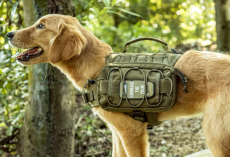
Harnesses distribute leash pressure safely across your pup’s chest. Make sure it fits snugly but still allows two fingers between the harness and your dog’s skin.
Recommended: 2 Hounds Design “Freedom No-Pull” Harness
A Sturdy Leash
Stick to leashes six feet or shorter — skip retractable leashes, which can be unsafe and unreliable. For puppies who love to chew, a lightweight chain leash works wonders.
Recommended: CtopoGo Chain Leash with Leather Handle
Food and Water Bowls + Food Toys
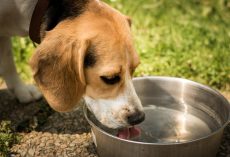
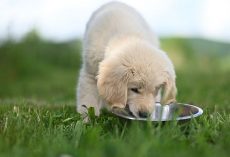
Any standard bowls will do, but don’t forget food toys! They slow down eating, ease digestion, and keep pups mentally engaged.
Popular Food Toys:
Always be sure to get the correct size for your dog! When in doubt, always size up so that the food toy is too big your puppy can’t swallow it – to avoid choking hazards.
Chew Toys
Teething puppies chew — a lot. Durable chew toys protect your belongings and give your pup safe, satisfying outlets for all that energy.
Recommended: Puppy Chew Toy Set on Amazon
Puppy Food
Start with whatever puppy food your pup was already eating to avoid tummy upset. If you want to switch dog foods, transition slowly over four weeks.
Make sure the food is complete and balanced.
Vet-Recommended Options:
A Housetraining Plan + Enzymatic Cleaner
Potty training begins the moment you walk through the door.
Basic Housetraining Routine:
- Keep your puppy in a pen or crate between outings
- Take him outside every 30 minutes when he’s awake
- Stand still for five minutes — boredom often leads to potty success
- Reward immediately when he goes
- Track potty times to learn his schedule
- Never punish accidents — just clean thoroughly with an enzymatic cleaner
Recommended: Nature’s Miracle Stain & Odor Remover
Grooming Supplies
Your pup can start baths at eight weeks and shampoo at around three to four months. Use gentle puppy formulas.
You’ll also need:
- A brush
- Dog towels
- Nail clippers or grinder
- Optional: a cozy little dog bathrobe!
Recommended: Burt’s Bees Puppy Shampoo
A Vet and a Trainer
Research trainers and vets before your puppy arrives. Schedule your puppy’s first vet visit within a few days of coming home, and begin training right away to build good habits early.
Pet Insurance
Since pet insurance doesn’t cover pre-existing conditions, signing up while your pup is young can save you from unexpected (and expensive) vet bills down the road.
Patience — Lots of It
Puppies are sweet, silly, chaotic little babies. They’ll test your patience, steal your socks, chew your slippers, and melt your heart.
Laugh when you can, take breaks when you need them, and remember: they grow up fast. Enjoy every messy, cuddly moment.
We independently pick all the products we recommend because we love them and think you will too. If you buy a product from a link on our site, we may earn a commission.