
A little drool here and there comes with the territory of being a dog parent. But when it feels like your dog has suddenly turned into a leaky faucet, it’s fair to wonder if something’s wrong.
Excessive drooling in dogs can be harmless — or it can signal a serious medical emergency. Knowing the difference can help you act fast when it matters most.
Here’s what causes excessive drooling in dogs, when you should worry, and how to help.
Why do dogs drool in the first place?
Not all drool is bad.
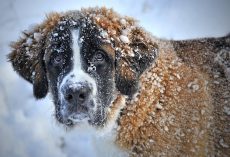
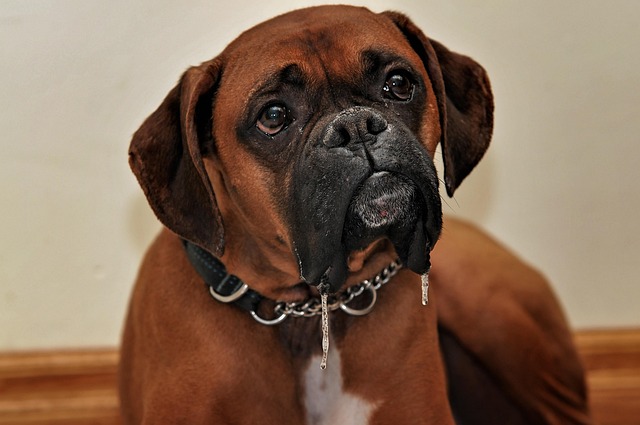
Some dogs are simply built to slobber, especially breeds with loose lips and big jowls that can’t hold saliva in very well. Common heavy droolers include:
- St. Bernards
- Dogue de Bordeaux
- Bloodhounds
- Newfoundlands
- Neapolitan mastiffs
- Bullmastiffs
- Basset hounds
- Boxers
- Bulldogs
In these dogs, drool just… escapes.
Dogs also drool when they’re hungry or anticipating food — a classic Pavlovian response. This type of drooling is completely normal.
But if your dog isn’t usually slobbery — or if the drooling suddenly ramps up — it’s time to look deeper.
Common causes of excessive drooling in dogs
Excessive drooling (also called hypersalivation) often means something is irritating your dog’s mouth, stomach, or nervous system.
Here are the most common causes.
Mouth and throat problems
Issues inside your dog’s mouth are one of the top causes of excessive drooling. These include:
- Dental disease or tartar buildup
- Oral ulcers or infections
- Tumors
- Inflamed salivary glands (sialadenitis)
- Enlarged or infected tonsils
- Objects stuck in the teeth, gums, or throat
If drooling is related to oral disease, you may also notice bad breath, pawing at the mouth, swelling, or reluctance to eat.
Daily tooth brushing and regular vet dental checks can help prevent many of these problems. If you see something stuck in your dog’s mouth and it’s easy to remove, you can try — but if there’s any risk of injury, let your vet handle it.
Heat stroke
Excessive drooling paired with heavy panting can be a sign of heat stroke, which is extremely dangerous.
Watch for:
- Intense panting
- Brick-red gums
- Weakness or collapse
- Recent exposure to heat or time in a hot car
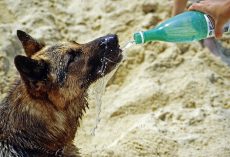
If it’s too hot for you, it’s too hot for your dog. Keep walks short in summer, stick to shade, try a cooling vest like this one, bring water, and never leave your dog in a parked car.
You can try this dog water bottle from Amazon
Heat stroke is a medical emergency — contact your vet immediately.
Motion sickness or car anxiety
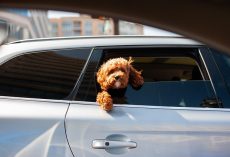
Does your dog drool nonstop during car rides? He may be carsick or anxious.
Other signs include:
A big clue is timing: dogs with motion sickness usually stop drooling soon after the car stops moving.
Many dogs struggle with car rides simply because they’re not used to them. Short, frequent trips can help build tolerance. If symptoms persist, your vet can help determine whether it’s anxiety, nausea, or both.
Nausea or stomach pain
Dogs often drool excessively when they feel nauseous or have abdominal pain — especially after eating something toxic or inappropriate.
You may also notice:
If drooling is paired with symptoms like weakness, tremors, or seizures, seek veterinary care right away.
Anxiety
Drooling can be a physical response to stress.
Some dogs drool excessively due to:
- Separation anxiety
- Thunderstorms
- Fireworks
- Loud or unfamiliar environments
If anxiety seems to be the trigger, your vet can help determine the best treatment, which may include behavior modification, calming tools, or medication. Gentle pressure garments, like a dog anxiety relief calming vest, can also help some dogs feel more secure.
Bloat (GDV)
This is one of the most serious causes of excessive drooling.
Bloat — or gastric dilatation-volvulus (GDV) — occurs when a dog’s stomach fills with gas or fluid and twists. It cuts off blood flow and can quickly lead to shock.
Symptoms include:
- Sudden drooling
- Restlessness
- A visibly swollen abdomen
- Rapid heart rate
- Collapse
Bloat requires immediate emergency surgery. If you suspect it, get to a vet right away.
Risk factors include:
- Deep-chested breeds (like Great Danes)
- Eating too fast
- Overeating
- Drinking large amounts quickly
- Exercising after meals
- Stress and aging
Facial nerve paralysis
Less common, but still possible, facial nerve paralysis can cause drooling on one side of the mouth.
Other signs include:
- A drooping lip
- Lack of blinking on one side
- Reduced facial movement
The most common form is idiopathic (no known cause), similar to Bell’s palsy in humans. Ear infections, hypothyroidism, nerve damage, or tumors can also be responsible.
If your dog’s face suddenly looks uneven, see your vet promptly.
Upper respiratory infections
Drooling can also occur with respiratory infections, along with symptoms like:
- Runny nose
- Watery eyes
- Sneezing
- Coughing
- Fever
- Mouth ulcers
- Lethargy and dehydration
Organ disease
In older dogs, excessive drooling can be linked to kidney or liver disease.
Watch for additional symptoms such as:
- Changes in drinking or urination
- Weight loss
- Vomiting or diarrhea
- Jaundice
- Weakness or seizures
- Dental disease
- Fluid buildup in the abdomen
Routine vet visits and bloodwork are the best way to catch these issues early.
How to stop excessive drooling in dogs
The key to stopping drooling is treating the underlying cause.
Some triggers are situational and easy to identify — like car rides or anxiety. Others require veterinary diagnosis and treatment.
If your dog is a naturally drooly breed, management is often the best solution (hello, drool towels).
But if your dog:
- Isn’t normally slobbery
- Suddenly starts drooling heavily
- Shows additional symptoms
…it’s time to call the vet.
Excessive drooling may look messy, but it’s often your dog’s way of saying something isn’t right. Catching the cause early can make all the difference 🐾
We independently pick all the products we recommend because we love them and think you will too. If you buy a product from a link on our site, we may earn a commission.